


AD

Please disable your ad blocker

Advertising helps us keep this website available. Please disable your ad blocker for this site, then reload the page.

Skip to content
My Website
  • AI Security
    • AI Agent Security
    • LLM Security
    • Prompt Injection
    • RAG Security
  • MCP & Dev
    • MCP Security
    • AI Coding Agents
    • Developer Tools
    • Local AI Security
    • Model Supply Chain Security
  • Identity & Data
    • Identity & Access
    • Authentication & Tokens
    • Secrets Management
    • AI Data Security
    • Privacy & PII
  • Red Teaming
    • AI Red Teaming
    • AI Penetration Testing
    • Vulnerability Testing
    • AI AppSec
  • Tools
    • Best Tools
    • Reviews
    • Comparisons
    • Alternatives
  • Governance
    • AI Governance
    • Risk Management
    • Compliance
    • Incident Response
    • Security Policies
My Website
Menu
  • AI Security
    • AI Agent Security
    • LLM Security
    • Prompt Injection
    • RAG Security
  • MCP & Dev
    • MCP Security
    • AI Coding Agents
    • Developer Tools
    • Local AI Security
    • Model Supply Chain Security
  • Identity & Data
    • Identity & Access
    • Authentication & Tokens
    • Secrets Management
    • AI Data Security
    • Privacy & PII
  • Red Teaming
    • AI Red Teaming
    • AI Penetration Testing
    • Vulnerability Testing
    • AI AppSec
  • Tools
    • Best Tools
    • Reviews
    • Comparisons
    • Alternatives
  • Governance
    • AI Governance
    • Risk Management
    • Compliance
    • Incident Response
    • Security Policies
Home/MCP & Developer Security

MCP & Developer Security

MCP & Developer Security brings together the security of Model Context Protocol deployments, AI coding agents, developer frameworks, local AI runtimes and downloaded model artifacts. It focuses on the practical attack surfaces developers encounter when connecting AI to tools, code, files and infrastructure.

Security controls for MCP HTTP deployments and AI tools
MCP Security

MCP HTTP Security Risks: Steps to Secure AI Tool Access

MCP HTTP security essentials MCP exposed over HTTP should be treated as a high-risk trust boundary: secure it with HTTPS, strong and short-lived authentication, least-privilege authorization, strict validation, […]
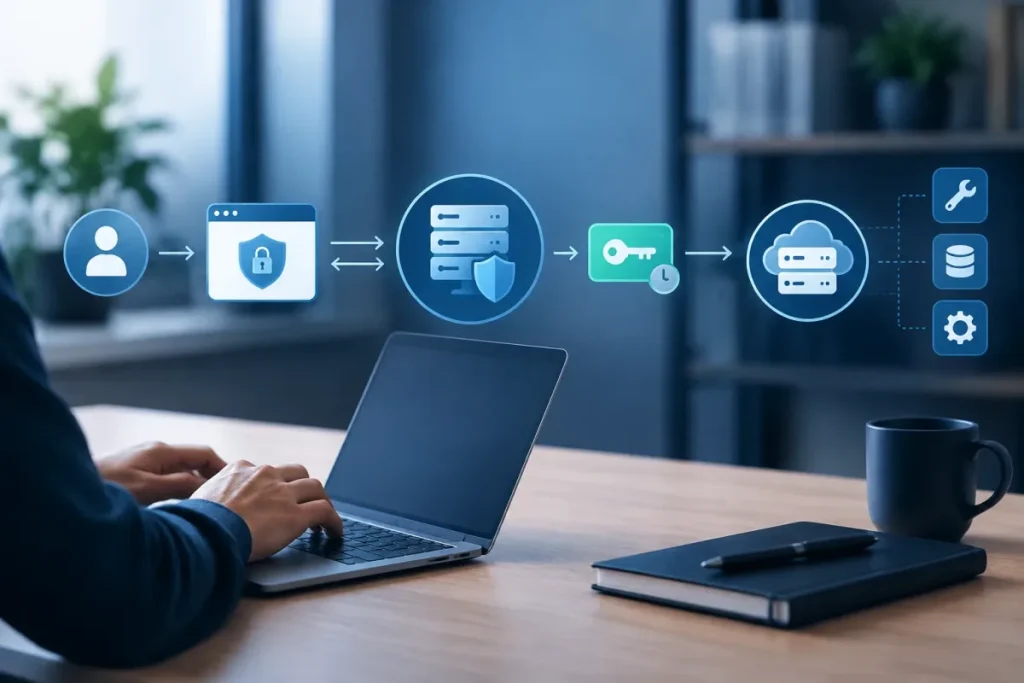
Diagram showing OAuth 2.1 authorization and token validation for an MCP server
MCP Security

How to Secure Remote MCP Servers with OAuth 2.1 and PKCE

MCP OAuth security essentials MCP OAuth security is based on OAuth 2.1-style delegated authorization for remote MCP servers: the client obtains a user-approved, short-lived, scoped access token from […]

Posts pagination

Previous 1 … 3 4
  • About AIsecurityDojo
  • Editorial Policy
  • Security Tool Review Methodology
  • Testing Methodology
  • Fact-Checking Policy
  • Corrections Policy
  • Content Update Policy
  • AI Use & Transparency Policy
  • Advertising & Sponsorship Policy
  • Affiliate Disclosure
  • Contact
  • Privacy Policy
  • Terms of Use
  • Security & Content Disclaimer

Copyright 2026 AISecurityDojo.com. Tous droits réservés