How to Authorize an Autonomous AI Agent Securely
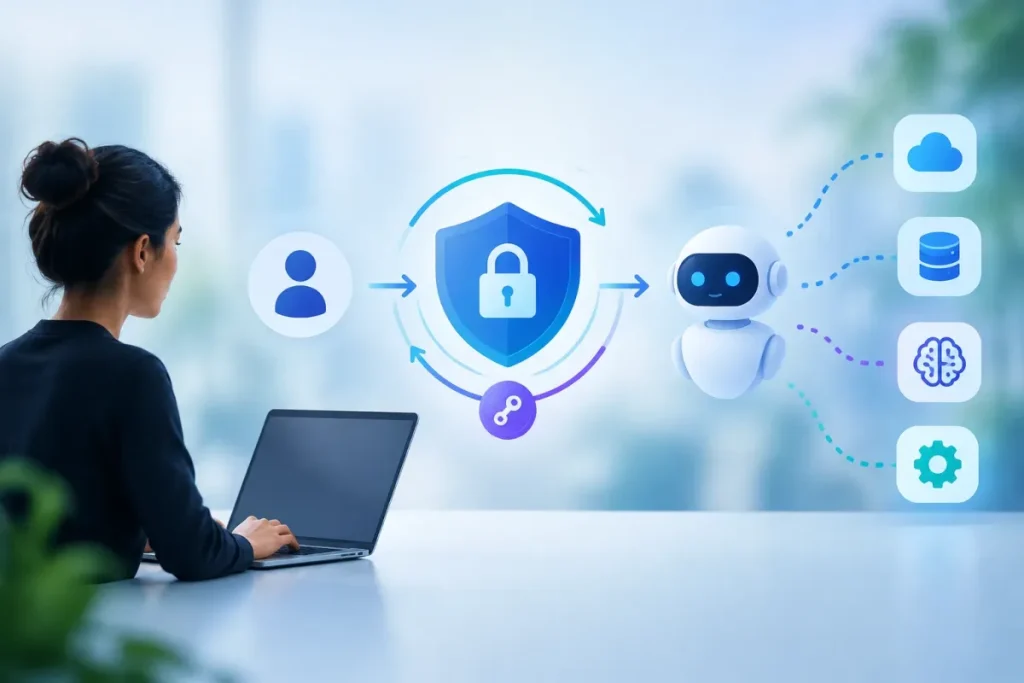
Authorization model at a glance Authorize an autonomous AI agent by assigning it a traceable identity tied to an accountable owner, granting only narrowly scoped and tool-specific permissions, […]


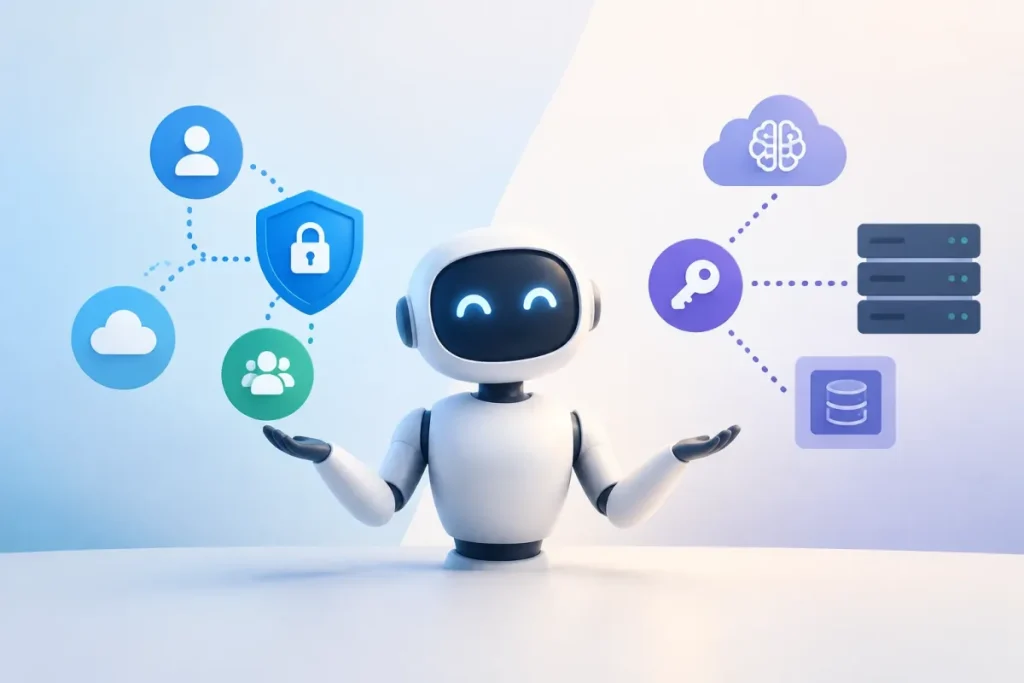
Identity & Data Protection covers the controls that determine who or what an AI system can access and how sensitive information is protected. Explore AI identities, authentication, tokens, secrets management, encryption, DLP, privacy, PII and data-retention practices.
Authorization model at a glance Authorize an autonomous AI agent by assigning it a traceable identity tied to an accountable owner, granting only narrowly scoped and tool-specific permissions, […]
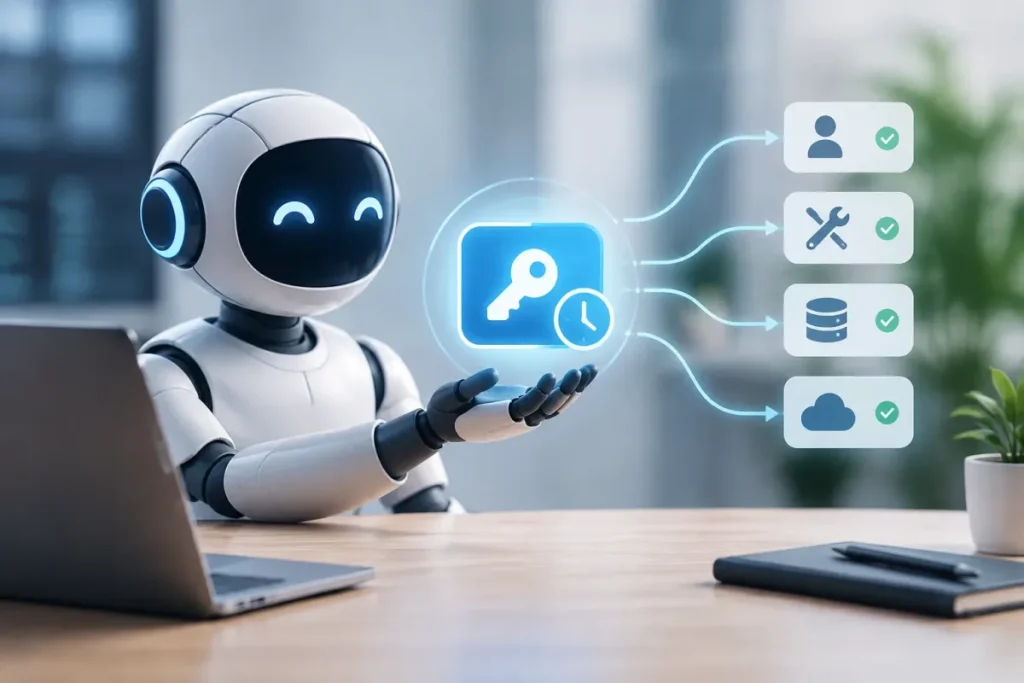
Short-lived token checklist Short-lived tokens for AI agents are temporary, task- or session-scoped access credentials that expire automatically—typically after minutes or hours—and are used to reduce the exposure […]
OAuth security for AI applications: key takeaways OAuth is a strong foundational authorization mechanism for AI applications because it enables delegated, scoped, and revocable access without exposing user […]
Quick answer For AI agents, use OAuth 2.0 when the agent acts on behalf of users or needs scoped, temporary, auditable access to third-party or tenant data; use […]
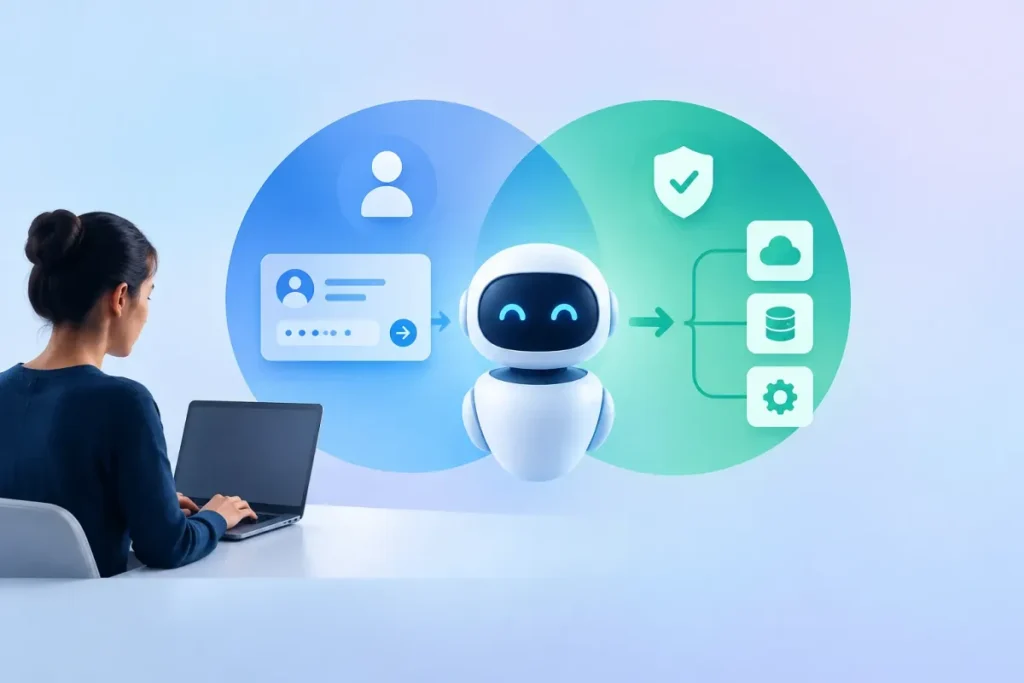
Quick decision OAuth 2.0 handles authorization—what an AI application or agent is allowed to access—while OpenID Connect authenticates and identifies the user or entity. OIDC is an identity […]
Quick decision Use OAuth 2.0/2.1 for what an AI agent is authorized to access—especially machine-to-machine calls, delegated tool access, and scoped API permissions. Use OIDC when the system […]